
Seasonal Window Care for Northern Minnesota: A Year-Round Asset Management Guide
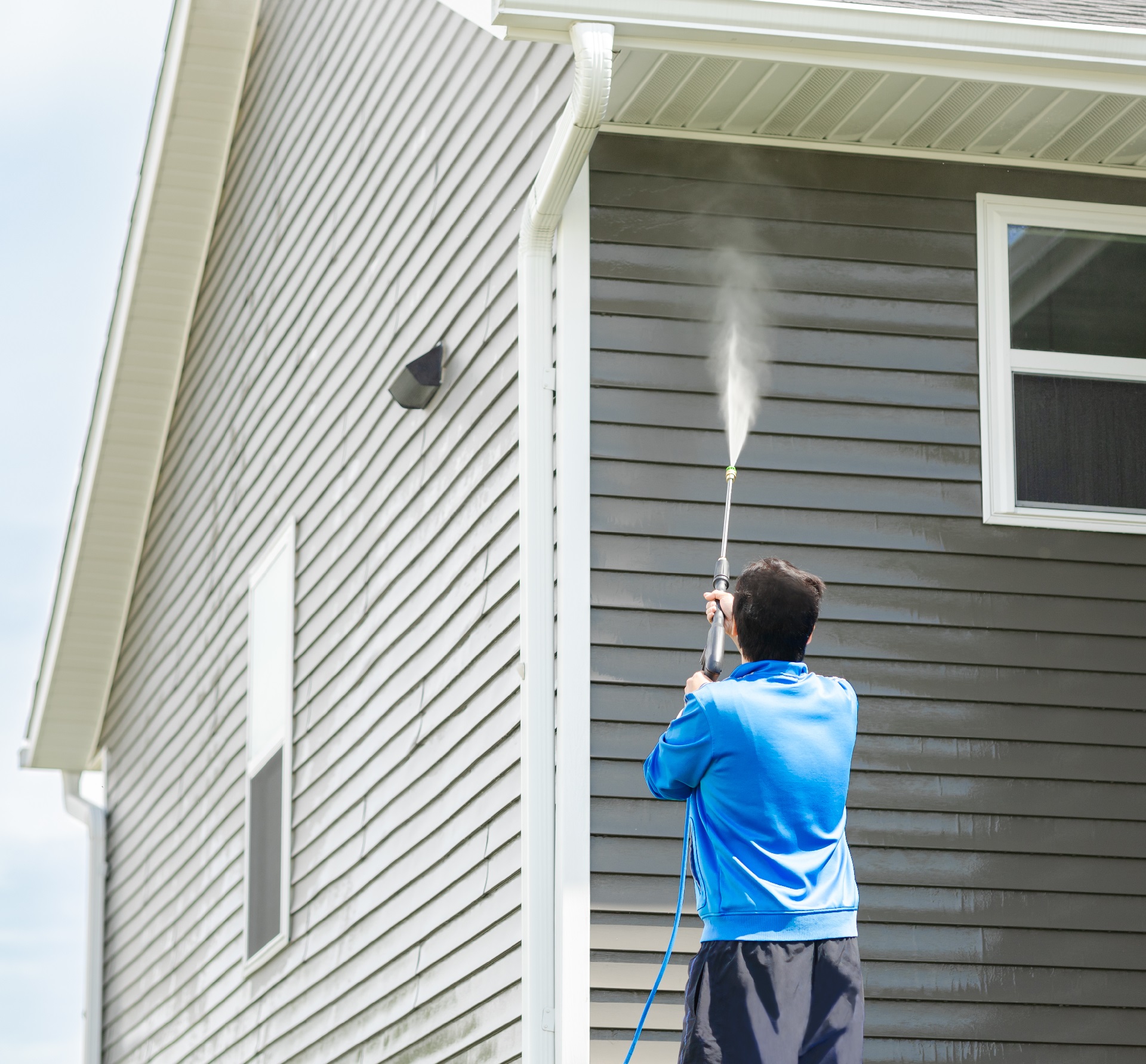
Protect your windows through every Northern Minnesota season with this comprehensive seasonal maintenance guide from C S Window Washing.
Windows are year-round assets that face unique challenges in Northern Minnesota. Each season brings distinct threats: winter's salt spray and freeze-thaw cycles, spring's moisture and freeze-thaw transitions, summer's thermal stress, and fall's preparation for the season ahead. A strategic seasonal approach to window care prevents damage and extends window lifespan significantly.
At C S Window Washing, we view window maintenance as asset management. Your windows protect interior climate control, prevent water infiltration, and dramatically impact curb appeal. Understanding what each season requires ensures your windows remain clear, functional, and protected year-round.
Spring: Recovery and Assessment (April-May)
Post-Winter Damage Assessment
Spring in Northern Minnesota represents a critical transition period. After six months of road salt exposure, freeze-thaw cycling, and harsh weather, windows need thorough evaluation and remediation.
Begin with professional window inspection focused on:
- Salt damage and mineral buildup from winter exposure
- Seal integrity checking for moisture infiltration
- Frame condition assessment for rot or corrosion
- Hardware function testing (smooth operation indicates healthy seals)
- Water infiltration signs indicating seal failure
This assessment guides your maintenance strategy and identifies issues before they escalate.
Spring Cleaning Priority: Salt Removal
Spring cleaning must address bonded salt minerals that accumulated throughout winter. This isn't just about clarity—it's about preventing permanent glass etching.
Professional Tier 2 Restoration service removes mineral compounds using specialized techniques that standard squeegee cleaning cannot achieve. The harsh salt deposits of a Northern Minnesota winter require experienced professionals who understand proper mineral-removal chemistry.
This post-winter cleaning is your chance to prevent permanent etching. If salt deposits are ignored through spring, they continue bonding through additional freeze-thaw cycles that still occur in late spring. By June, some damage becomes permanent.
Seal and Frame Inspection
Use the spring cleaning appointment for comprehensive seal assessment:
- Check weatherstripping for cracks or separation
- Inspect caulking around frames for gaps or deterioration
- Look for any signs of water staining indicating past infiltration
- Test window operation—sticky or difficult windows indicate frame swelling
Early detection of seal issues allows cost-effective repair before they progress to full seal failure.
Summer: Maintenance and Monitoring (June-August)
Reduced Salt Exposure but Thermal Stress
Summer brings relief from road salt but introduces different challenges. The dramatic temperature differences between morning and afternoon create thermal stress on window materials. Windows expand and contract daily, stressing seals and frames.
During summer, windows experience:
- UV radiation accelerating material degradation
- Thermal cycling stressing seals and caulking
- Potential moisture condensation in morning hours
- Dust and pollen accumulation affecting clarity
Summer Service: Maintenance Cleaning
Summer cleanings maintain clarity when natural light is most valuable. Regular maintenance prevents dust and pollen buildup that can become permanent if allowed to remain through fall and winter.
Summer is ideal for professional inspection during ideal weather conditions. Technicians can thoroughly assess frames, seals, and hardware without winter's time constraints or weather challenges.
Preventive Caulking and Seal Check
Summer is the optimal time for caulking renewal. Caulk degraded by winter freeze-thaw cycles should be replaced before fall arrives. New caulk must cure fully before winter weather, making summer the ideal timing.
Professional weatherstripping assessment identifies stripping that has lost elasticity and should be replaced. This preventive action avoids water infiltration during fall and winter.
Thermal Stress Observation
Watch for any sudden changes in window operation during summer heat:
- Windows becoming difficult to open or close—indicates frame swelling from thermal stress
- New drafts—indicates seal separation from thermal cycling
- New condensation in early mornings—indicates humidity issues or seal compromise
These issues warrant immediate professional inspection.
Fall: Preparation and Protection (September-October)
Pre-Winter Preparation Focus
Fall represents your last opportunity to address issues before the harsh winter season. This is preventive maintenance timing—fixing problems before winter stress exacerbates them.
Critical fall tasks:
- Final high-quality cleaning removing summer dust and pollen
- Professional seal assessment and minor caulk repairs
- Weatherstripping replacement if needed
- Full frame inspection identifying any winter risks
- Assessment for Tier 3 Preservation coating application
Fall is when high-exposure properties should consider protective sealant application. These coatings require 24-48 hours curing in mild weather—fall conditions are ideal. Winter application is impossible due to temperature requirements.
Winter Readiness Assessment
Professional inspection should identify:
- Any existing seal weaknesses that could lead to water infiltration
- Frame areas showing early rot that could worsen with winter moisture
- Hardware issues requiring lubrication before cold weather
- Window operation problems indicating structural stress
Address all identified issues before winter arrives.
Strategic Tier Selection Decision
Fall is when you strategically decide your winter service level:
Standard approach: Plan regular Tier 1 Maintenance cleanings (2-3 during winter for typical properties)
High-exposure approach: Plan Tier 2 Restoration service with increased frequency (4-6 cleanings November-March for properties near highways)
Premium approach: Apply Tier 3 Preservation coating with standard maintenance cleanings, reducing cleaning frequency needs while providing maximum protection
Protective Coating Application
For properties with high salt exposure or valuable specialty glass, fall is the ideal time for professional hydrophobic protective coating application. These coatings:
- Create water-shedding surfaces forcing salt to bead off
- Extend time between cleaning requirements
- Reduce permanent damage risk from extended salt exposure
- Particularly valuable for commercial storefronts requiring pristine appearance
Coating application requires mild, dry weather for proper cure—fall conditions are ideal, winter conditions are not compatible.
Winter: Active Protection (November-March)
Strategic Cleaning Schedule
Winter demands increased cleaning frequency specifically tied to salt application cycles:
- Heavy snowfall and road salting events require cleaning within 1-2 days for maximum damage prevention
- Weekly or bi-weekly cleaning during peak salt season prevents bonding
- Post-thaw periods (warm spells) are critical cleaning windows—salt moisture is liquefied and most easily removed
For properties with Tier 3 Preservation coating, cleaning frequency reduces significantly as salt beads off rather than adhering.
Seal Monitoring During Freeze-Thaw
Winter freeze-thaw cycling creates maximum stress on seals. Watch for:
- New condensation between panes—clear indicator of seal failure
- Frost patterns on interior glass different from previous years
- Water staining on interior sills—indicates water infiltration
- Any draft changes—indicates seal separation
Address seal issues immediately rather than waiting for spring. Moisture infiltration during winter can create mold problems by spring.
Hardware Lubrication
Cold temperatures thicken lubricants and reduce window operation smoothness. Professional service includes appropriate cold-weather lubrication of hardware, keeping windows functioning smoothly despite temperature extremes.
Monthly Maintenance Tasks Year-Round
Monthly Inspection Routine
Consistent monitoring catches issues early:
- Visual inspection for condensation changes
- Operational test—windows should slide smoothly
- Frame check for new caulk separation or gaps
- Weatherstripping assessment for visible damage
Seasonal Transition Attention
Extra attention at seasonal transitions (mid-March spring transition, late-September fall transition, early-November winter onset) catches issues emerging from seasonal stress changes.
Creating Your Asset Management Plan
Exposure-Based Service Levels
Your property's specific situation determines appropriate service levels:
Lower Exposure (residential area, away from main roads):
- Spring: Tier 1 or 2 cleaning
- Summer: One Tier 1 maintenance
- Fall: Tier 2 pre-winter cleaning
- Winter: Tier 1 every 4-6 weeks
Moderate Exposure (suburban area, one block from main road):
- Spring: Tier 2 comprehensive cleaning
- Summer: Tier 1 maintenance
- Fall: Tier 2 with weatherstripping assessment
- Winter: Tier 1 or 2 every 2-4 weeks
High Exposure (near highway, corner lot, or prevailing wind direction):
- Spring: Tier 2 intensive restoration cleaning
- Summer: Tier 1 maintenance monthly
- Fall: Tier 3 preservation coating application + Tier 2 cleaning
- Winter: Tier 3 protection with Tier 1 maintenance every 1-2 weeks
Documentation and Planning
Keep maintenance records documenting:
- Dates of professional service and service tier
- Issues identified during inspections
- Repairs or treatments applied
- Water infiltration or damage observed
- Seal condition changes over time
This documentation helps you recognize patterns and plan needed interventions.
The Long-Term Investment
Proper seasonal window care prevents expensive damage:
- Professional maintenance: $150-$600 per visit
- Annual seasonal care: $1,000-$3,000 depending on exposure level and tier selection
But the cost of neglect is devastating:
- Glass replacement from permanent etching: $300-$800 per window
- Seal failure repair: $500-$2,000+ per window
- Full window assembly replacement: $1,000-$3,000+ per window
- Heating/cooling inefficiency: $50-$100+ annually per window
- Mold remediation from water infiltration: $3,000-$10,000+
A strategic seasonal approach to window care costs hundreds while negligence costs thousands.
Your Northern Minnesota Window Care Partner
Windows have specific needs through each season. In Northern Minnesota, understanding these seasonal challenges and proactively addressing them determines window longevity and performance.
At C S Window Washing, we manage your windows as assets year-round. We understand the seasonal rhythm of Northern Minnesota and how to protect your investment through every season.
Contact us to develop a customized seasonal window care plan for your property.
Spring: Recovery from Wisconsin Weather
Post-Storm and Seasonal Assessment
Spring in East Tennessee is the perfect time to assess and address any damage that occurred during winter and early spring weather. Seasonal weather can be particularly tough on exterior surfaces, with freeze-thaw cycles and weather changes taking a toll on your home's exterior.
Start with a comprehensive visual inspection of your home's exterior. Look for any obvious damage to siding, roofing, gutters, and walkways. Seasonal weather can cause caulking to crack, paint to peel, and surfaces to accumulate debris and pollutants that need professional attention.
Professional window cleaning after seasonal winter conditions is particularly important. Winter residue and accumulated grime can significantly reduce natural light entering your home. Clean windows not only improve your home's appearance but also help you better assess the condition of window frames and surrounding surfaces.
Essential Spring Cleaning Tasks for East Tennessee Homes
Pressure washing driveways, walkways, and patios removes winter residue, accumulated dirt, and organic growth that can cause permanent staining if left untreated. Salt residue from winter conditions and dirt buildup can create particularly stubborn stains that benefit from professional pressure washing.
Gutter cleaning and inspection is critical in spring, as East Tennessee can experience heavy spring rainfall that can overwhelm clogged gutters. Professional gutter cleaning ensures proper drainage and allows for early detection of any storm damage that needs repair.
House washing removes months of accumulated winter grime and dirt that can create issues year-round. This cleaning not only improves appearance but also prevents long-term damage that can occur when contaminants are allowed to remain on surfaces.
Spring Inspection Priorities
Beyond cleaning, spring is the ideal time for thorough inspection of all exterior surfaces. Check for winter damage to roofing materials, looking for loose or missing shingles, damaged flashing, or signs of ice dam damage that could lead to leaks.
Examine caulking around windows and doors, as freeze-thaw cycles can cause caulk to crack or separate, creating entry points for moisture and pests. Early detection and repair of caulking issues prevents more serious problems later in the year.
Deck and patio surfaces should be carefully inspected for winter damage, including loose boards, damaged railings, or surfaces that have become slippery due to organic growth. Addressing these issues early prevents safety hazards and more extensive repairs.
Summer: East Tennessee Heat and Humidity Management
Surviving the Summer Season
Summer in East Tennessee brings warmth and humidity that requires special considerations for exterior maintenance. With humidity levels, algae and mildew growth can accelerate. Early morning or late evening work prevents heat and humidity-related issues to surfaces and cleaning solutions.
Regular window cleaning during summer maximizes natural light while helping to identify any heat-related damage to window seals or frames. The warm sun can cause materials to expand and contract, leading to seal failures that should be addressed promptly.
Beat-the-Heat Maintenance Tasks
Keep gutters clear throughout the summer, particularly during active thunderstorm season. Summer storms can be severe and sudden, quickly overwhelming clogged gutters and causing serious water damage.
Monitor and maintain landscaping to prevent overgrowth against your home's exterior. Plants can grow rapidly during the summer season, and vegetation growing too close to siding can trap moisture and create pest habitats.
Schedule pressure washing and house washing for early morning hours to avoid the heat and humidity that can cause rapid evaporation and uneven results. Summers provide ideal drying conditions when timed correctly.
Fall: Storm Season Preparation
Getting Ready for Seasonal Weather
Fall maintenance focuses on preparing for potential severe weather. This season's tasks are crucial for preventing weather-related damage.
Final gutter cleaning before winter is perhaps the most critical fall maintenance task. Gutters clogged with leaves, debris, and summer growth can cause serious water damage and ice dam problems during winter. Professional gutter cleaning ensures proper drainage throughout the winter months.
House washing and deck maintenance should be completed before potential winter weather makes these surfaces inaccessible or dangerous to clean. A thorough fall cleaning also makes post-storm damage assessment easier by establishing a clean baseline.
Pre-Winter Window Care
Fall window cleaning is essential for maximizing natural light during the shorter days ahead. Clean windows become even more important as daylight hours decrease, making every bit of available light valuable for maintaining a bright, pleasant indoor environment.
This is also an excellent time to inspect window frames, screens, and weatherstripping for any damage that could allow water infiltration or drafts during winter. Addressing these issues before winter arrives prevents water damage, improves energy efficiency, and reduces heating costs.
Seasonal Cleanup Tasks
Remove and properly store outdoor furniture to prevent winter damage and extend its lifespan. Furniture left outdoors during winter often suffers damage from moisture, freeze-thaw cycles, and accumulated debris that can be expensive to repair or replace.
Clear leaves and debris from all exterior surfaces, including walkways, patios, and around the foundation. Organic matter left on surfaces over winter can cause staining, promote pest activity, and create slippery conditions that pose safety hazards.
Winter: Cold and Snow Management
Managing Winter Challenges
Winter brings harsh conditions. Winter maintenance requires special attention to prevent weather-related damage and maintain safety around your property.
Monitor snow and ice accumulation on gutters and downspouts. Ice dams can form in winter, preventing proper drainage and causing water damage inside your home. Professional gutter and roof inspection before winter can prevent costly ice dam problems.
Take advantage of occasional milder winter days for maintenance tasks that would be impossible in harsher conditions. Many winter days are manageable for outdoor maintenance work when properly timed.
Planning for the Year Ahead
Winter is an excellent time to plan your exterior maintenance strategy for the coming year. Review what worked well in the past year, identify areas that need attention, and schedule professional services for the upcoming seasons.
Consider seasonal service packages that provide comprehensive care throughout the year. Many professional exterior cleaning services offer packages that include spring recovery, summer maintenance, fall preparation, and winter planning at reduced rates.
Holiday Season Considerations
Professional holiday lighting installation ensures safe, attractive displays. Winter requires professional installers who have the equipment and experience to work safely in cold conditions.
Maintain clean windows throughout the holiday season to showcase interior decorations and create a welcoming appearance for guests. Clean windows also maximize the impact of holiday lighting displays and help maintain curb appeal during the season of entertaining.
Conclusion: Protecting Your Wisconsin Investment
Effective exterior maintenance in Wisconsin requires understanding the unique challenges of our climate – harsh winters, freeze-thaw cycles, and seasonal weather variations. By developing a comprehensive maintenance strategy that addresses each season's specific challenges, you can keep your Milwaukee area property looking its best while protecting your investment.
Remember that exterior maintenance is an ongoing process that requires adaptation to Wisconsin conditions. Consistent attention throughout the year prevents problems, maintains your home's value, and ensures that your property remains a source of pride and enjoyment.
Ready to develop a comprehensive exterior maintenance plan for your Wisconsin property? PureVue Window Cleaning's experienced team understands the unique challenges of Milwaukee area homes and can help you create a seasonal maintenance schedule that keeps your exterior in perfect condition year-round. Serving Milwaukee, Bristol, Racine, and throughout Wisconsin, we're your local experts in Wisconsin exterior care. Contact us today at (262) 721-5753 for a consultation and let us help you protect your investment with professional exterior care services.